September 2026 RASC Scholarship Dinner
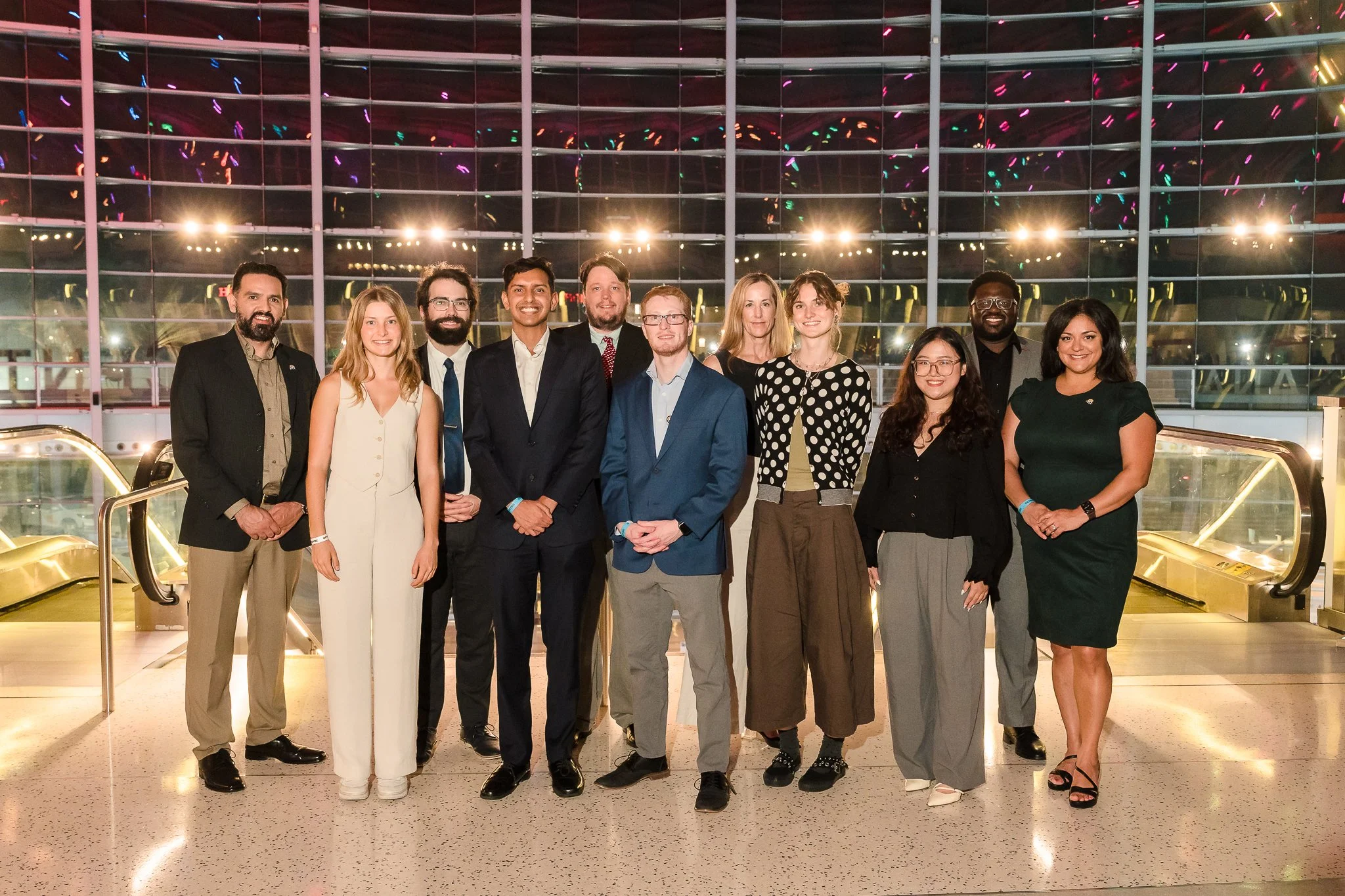
September 30th marked the culmination of RASC’s year of fundraising for education with $21,000 in scholarships awarded to six outstanding students at our Annual Scholarship Awards Dinner at ARTIC in Anaheim.
RASC received a record 44 applications this year. Undergraduate recipients Anne Coady, Jack Terry, and Mila Mattson, and graduate recipients Ashankh Jaishankar, Montana Reinoehl, and Yanqi Luo embody the curiosity, commitment, and talent that move transit forward. Read the RASC blog here for a short introduction to each of these remarkable students.
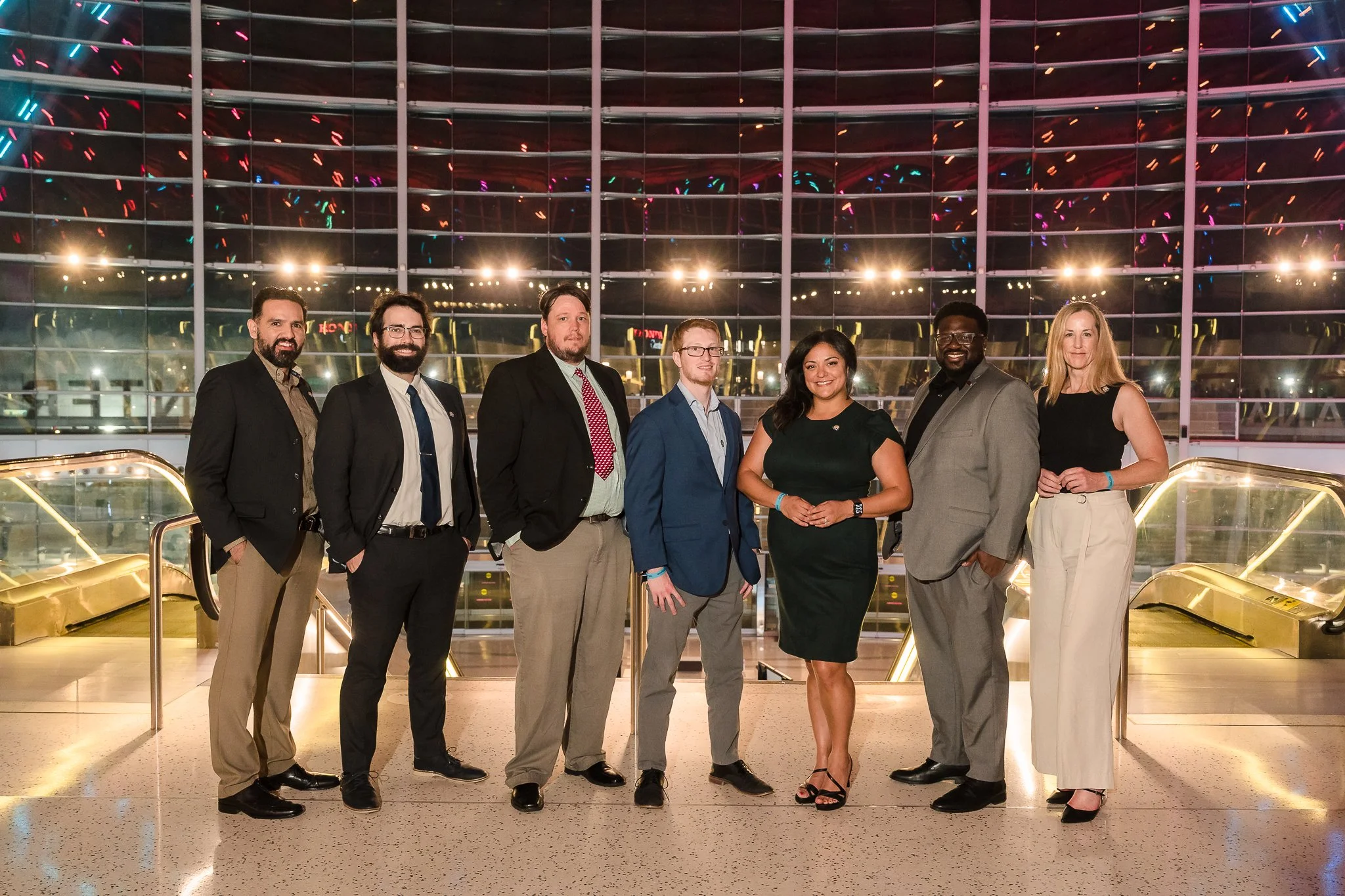
Big thanks to our Scholarship Review Committee for identifying this year’s recipients: James Campbell, HDR; Denise Casad, EMI; Lauren German, WSP; Sergio Magallon, HDR; Stephanie Oslick, Dokken Engineering; Gyan Sinha, HDR; Jennifer Ibrahim, GHD and RASC President; Joel Lessard-Clouston, HDR and RASC Secretary; and Amr Zaher, Moffatt & Nichol and RASC Past President.
And a RASC dinner is not complete without thought-provoking discussion: Kelly Hart, Director of Rail Operations for OCTA, Alyssa Dowdalls, Marketing and Communications Manager for LOSSAN and Georgia Sheridan, Deputy Executive Officer with LA Metro, joined Eric Shen, owner of Shen and Associates and adjunct professor at USC to discuss “getting the public on board with transit.”
Riders experience a journey, not jurisdictional boundaries. Kelly pointed out that the logo on the train matters less than who can get you from point A to point B. She talked about the long history of great partnerships across the region, and cited the commitment of Metrolink’s five member agencies to adopt its budget as an example of organizations setting aside competing priorities to serve passengers. Alyssa added that the 351-mile LOSSAN corridor is a model for collaboration, with multiple agencies aligning projects and message for the betterment of all.
Sometimes the best answer isn’t the one that moves forward. Kelly brought up that technical work is often the easiest part—OCStreetcar’s Fourth Street construction faced many challenges. Rather than get derailed by problems, Kelly reminded the audience to build trust with the community and stay focused on the greater purpose. Every project will cross multiple administrations; never underestimate the power of why your project is important.
Georgia agreed that while you have to have those technical chops, you also need to know how to work within the political framework. She shared stories of kicking off two light rail projects during COVID. Her team was not prepared for the anger, incivility and mistrust; Georgia slowed down the community engagement process to make sure everyone heard the story, the importance and history of the projects. She stressed the importance of showing your due diligence for the community, internal stakeholders and elected board members.
When asked, ‘how can we communicate more effectively,’ Alyssa pointed out the common thread of clearly defining the five W’s common to journalism—Who, What, Where, When and Why, with an emphasis on Why. Engineers and planners get focused on the details, but we have to write the project’s story in plain language, get everyone to understand the human element—Why this project is important.
Kelly reiterated context and referenced Joel’s and HDR’s help with ridership forecasts. Demographics change, ridership changes, and while a report might satisfy FTA requirements, it also needs to tell the story of where the market is now.
The consultant’s role is more critical than ever. Georgia pointed out that scope is written years in advance and projects inevitably change. Flexibility is key: options for adjusting scope or reducing scope to meet budget; a strong focus on deliverables that incorporates agency need for briefing materials support. Consultants with clear communicators, good writers and effective visuals will be of greater value to their agency partners. Kelly added that it’s important for consultants to understand that every time a board changes, agency staff start over with project justification, and consultants can play a key role in aiding that process. Look beyond formal deliverables to help get the project across the finish line.
Looking ahead, Kelly calls this an exciting time for Southern California rail and called on consultants to diversify their knowledge base; resiliency work, analysis of tides, waves, and sand movement weren’t considered a decade ago, but we this knowledge now. Georgia added transit providers are confronting operations and maintenance funding: we need to identify how to make our system financially stable.
Good problems for our emerging transit professionals and their future employers to tackle.
***
Thank you to RASC Vice President J.P. Ziegler for arranging the dinner—that was no small feat! Special thanks to Kelly Hart, Alyssa Dowdalls and Georgia Sheridan for being our panelists—we are truly grateful! Thank you to Eric Shen, whose professorial hat doubles as moderator cap beautifully.
As always, thank you to YOU, our attending RASC members; our 2026 Platinum Sponsor HDR; Gold Sponsors GHD, Olsson and RSE; and Silver Sponsors Earth Mechanics and Diaz Yourman, whose participation makes our scholarship program not only possible, but robust!
RASC is committed to the education of the next generation of rail engineers, with the goal to provide scholarships for undergraduates interested in transportation. Funds raised from these luncheons support that initiative directly.
Join us! Sign up now to become a member of the Railway Association of Southern California, 2026 RASC Membership, and be first in line for the next program.
Sponsor us! Help us grow our scholarship base. Contact Mark Chang, machang@HNTB.com for more information or follow this link RASC 2026 Sponsorship.
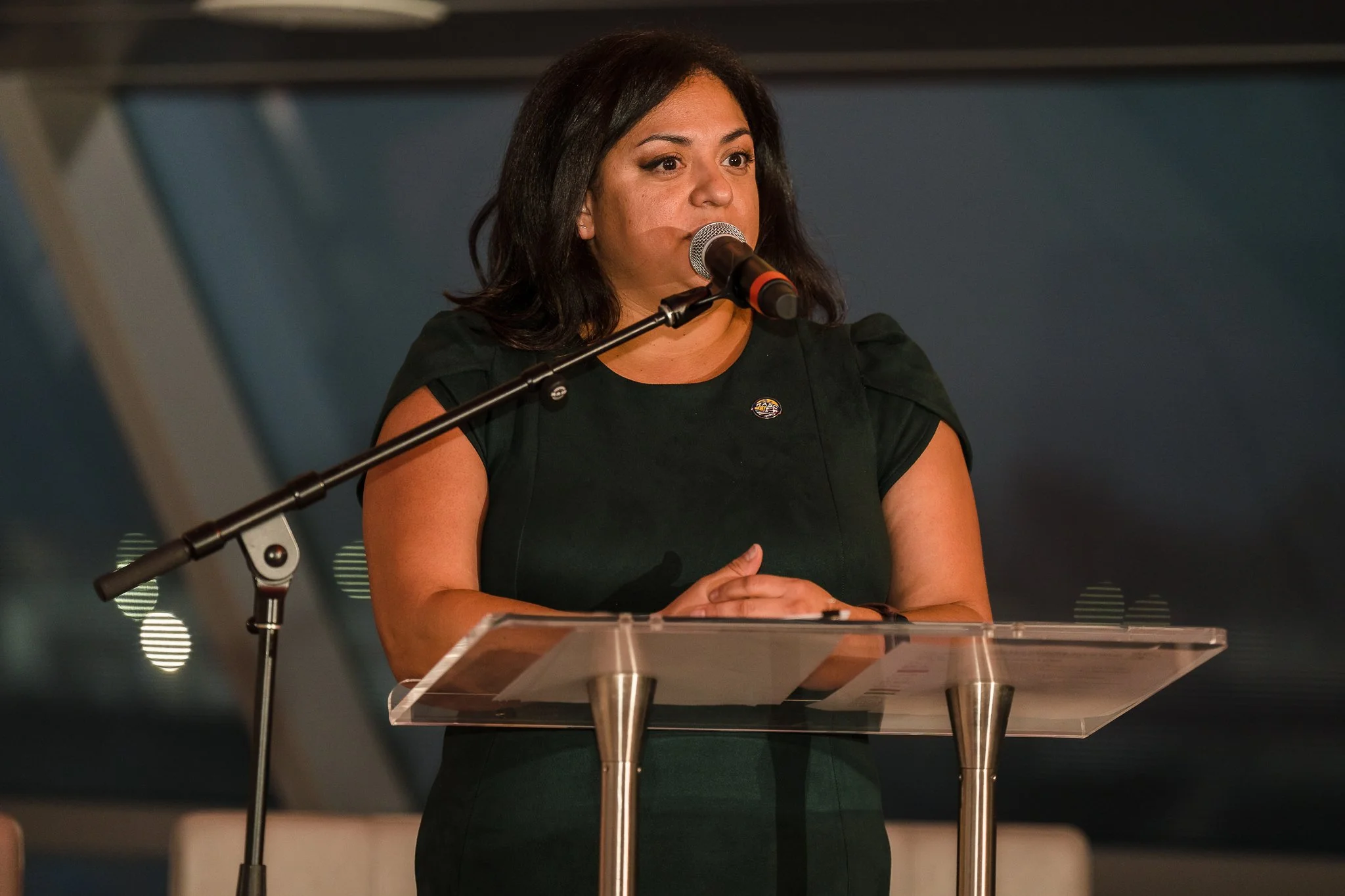
Below, photos of our attending scholars and the RASC Board; RASC President Jennifer Ibrahim; 2026 RASC Board and Committee Members.